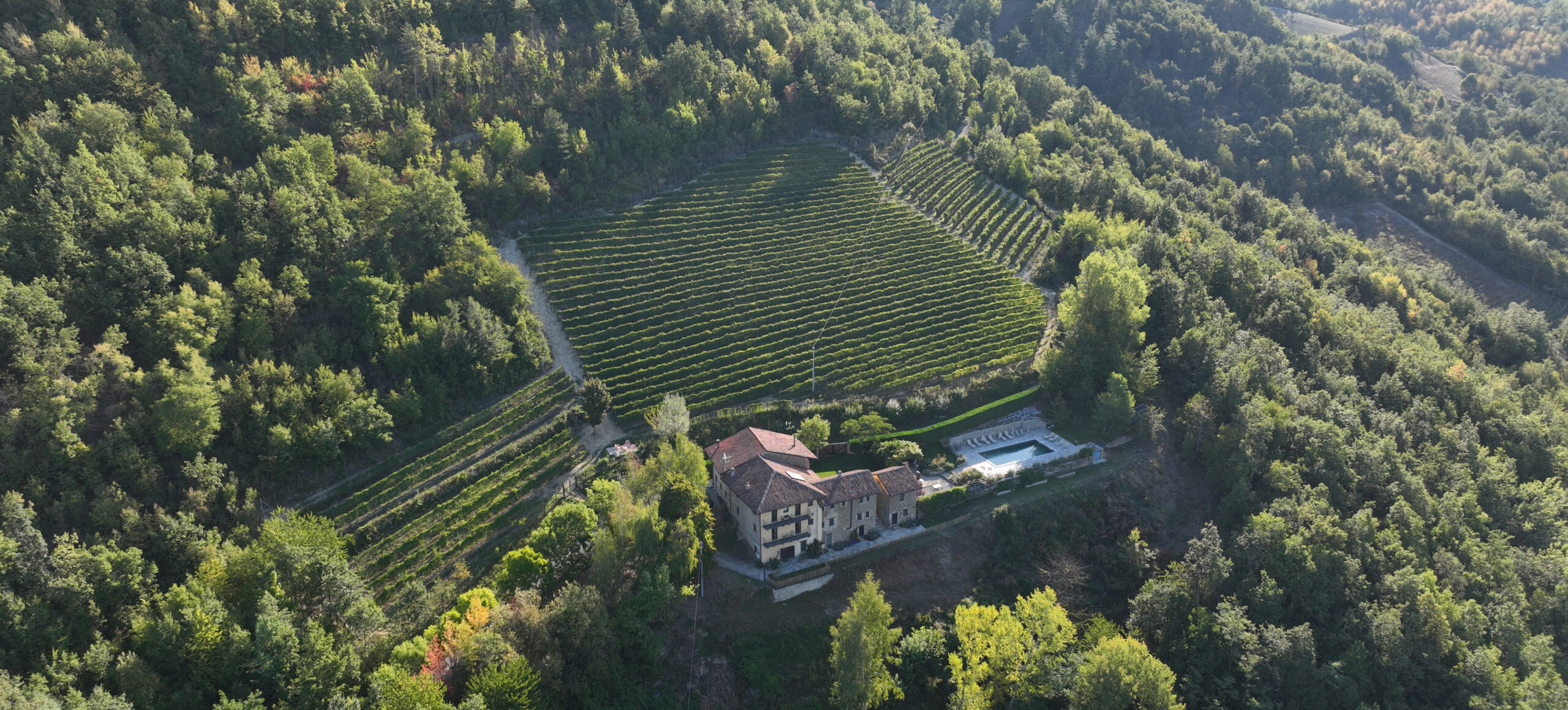
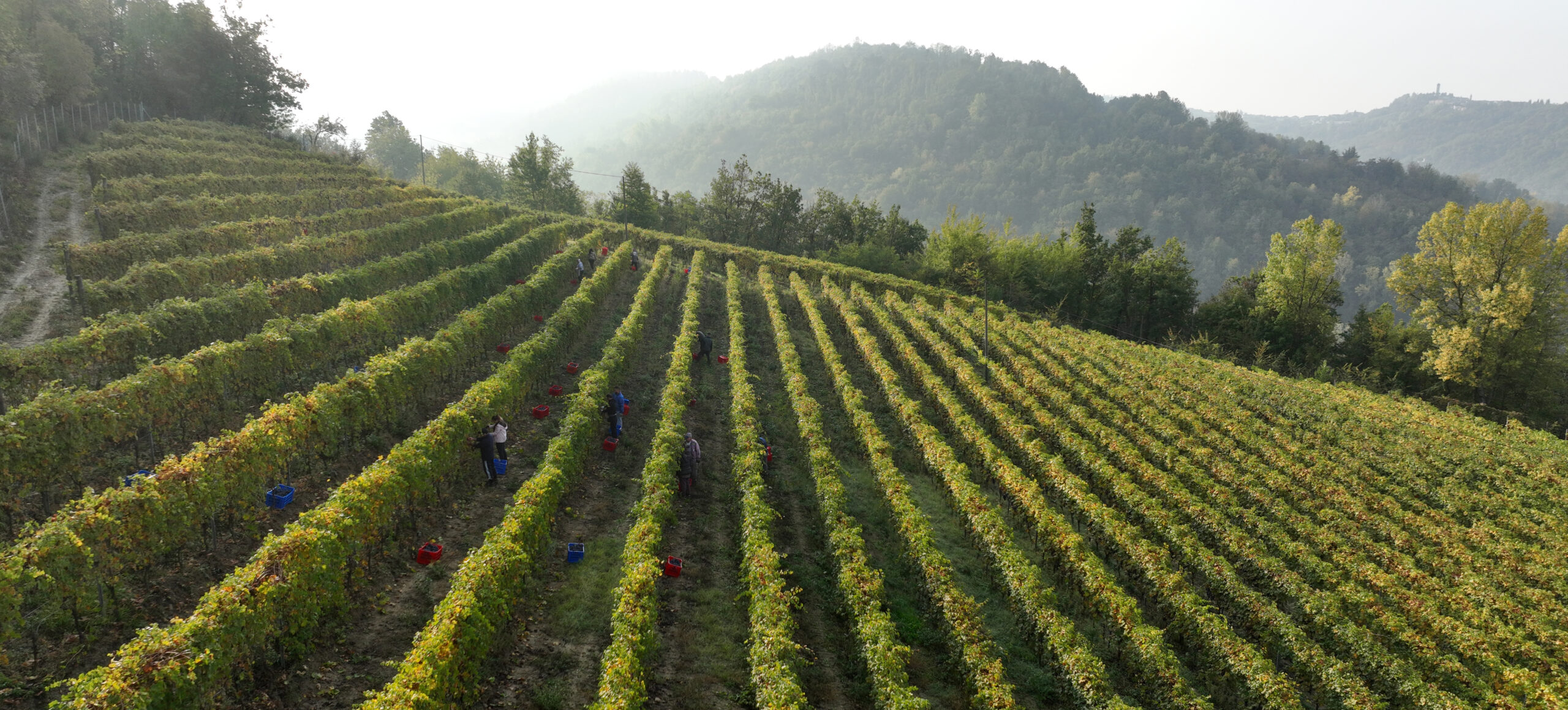
In recent years, climate change has been altering the calculus of how and where different grape varieties can be grown successfully. In Piedmont, Nebbiolo is typically grown at altitudes between 200 and 500 meters in regions where it is classically propagated, namely Barolo, Barbaresco and the Alto Piemonte area. But in 2015, a Canadian/American transplant in Piedmont, Clay McLachlan, decided to plant just over one hectare of Nebbiolo at an altitude of 610 to 650 meters at his house in Bonvicino in the Alta Langa - where typically hazelnuts or grapes for sparkling wine are planted!
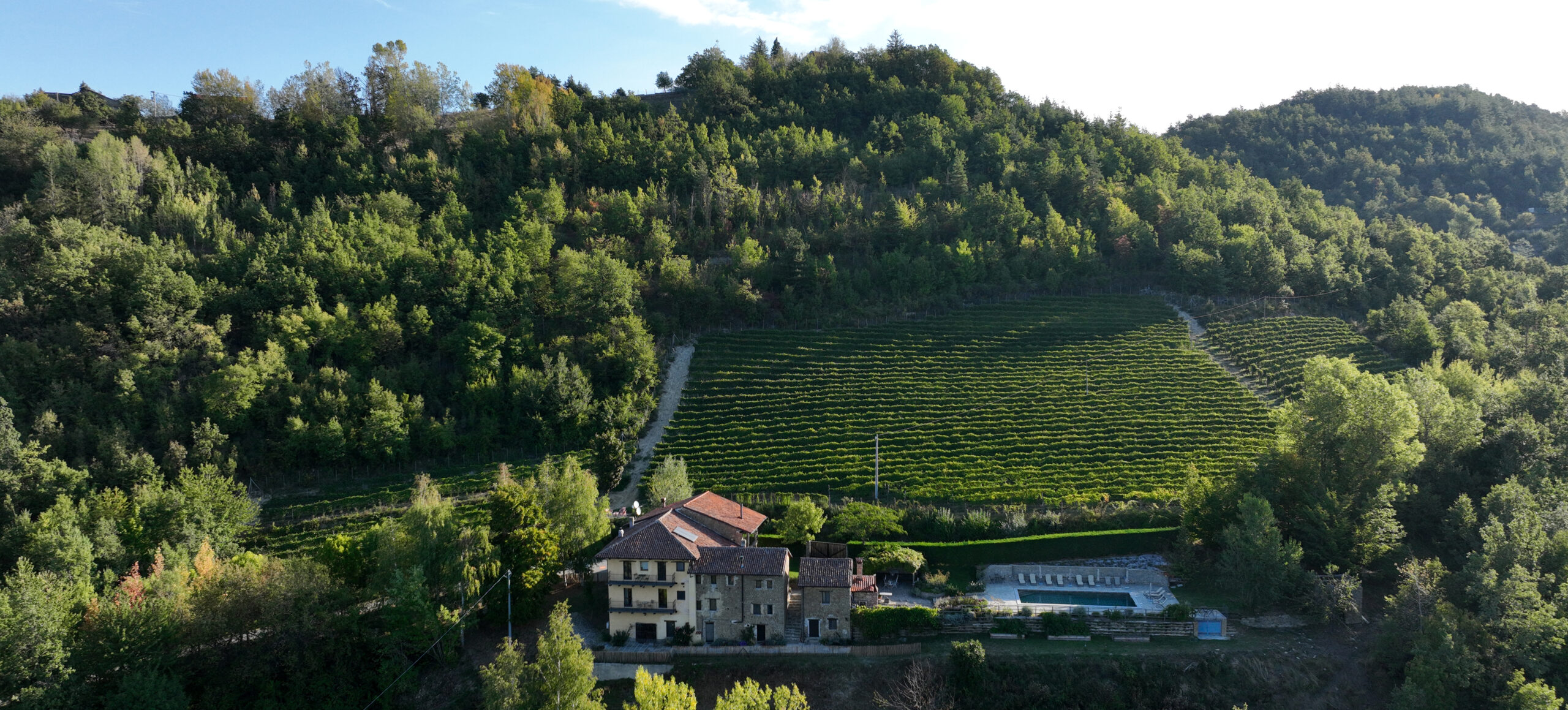
The decision to plant vines outside the usual zone for Nebbiolo wasn’t made on a whim. McLachlan, a successful photographer specializing in wine and food, had fallen in love with Piedmont and moved to the area ten years earlier. He bought and renovated an ancient stone farmhouse in the hills above Dogliani in 2005 which he currently opens up to guests as a curated rental propertuy. His photo work brought him into the winemaking community in the Langhe, as well as many other wine regions in Europe. The talented and energetic Luca Roagna, who took over his family’s estate in 2001 and helms one of the region’s top wineries, soon became one of Clay’s closest friends.
After two decades of dreaming about making his own wine, McLachlan, along with Luca Roagna and Alfredo Roagna’s guidance, planted a vineyard of Nebbiolo on a steep hillside above the house. The first harvest was 2018, a tiny production of 50 cases. Since then, production has grown to the point where he now has commercial quantities of wine to sell in small amounts both in the US and Piedmont.
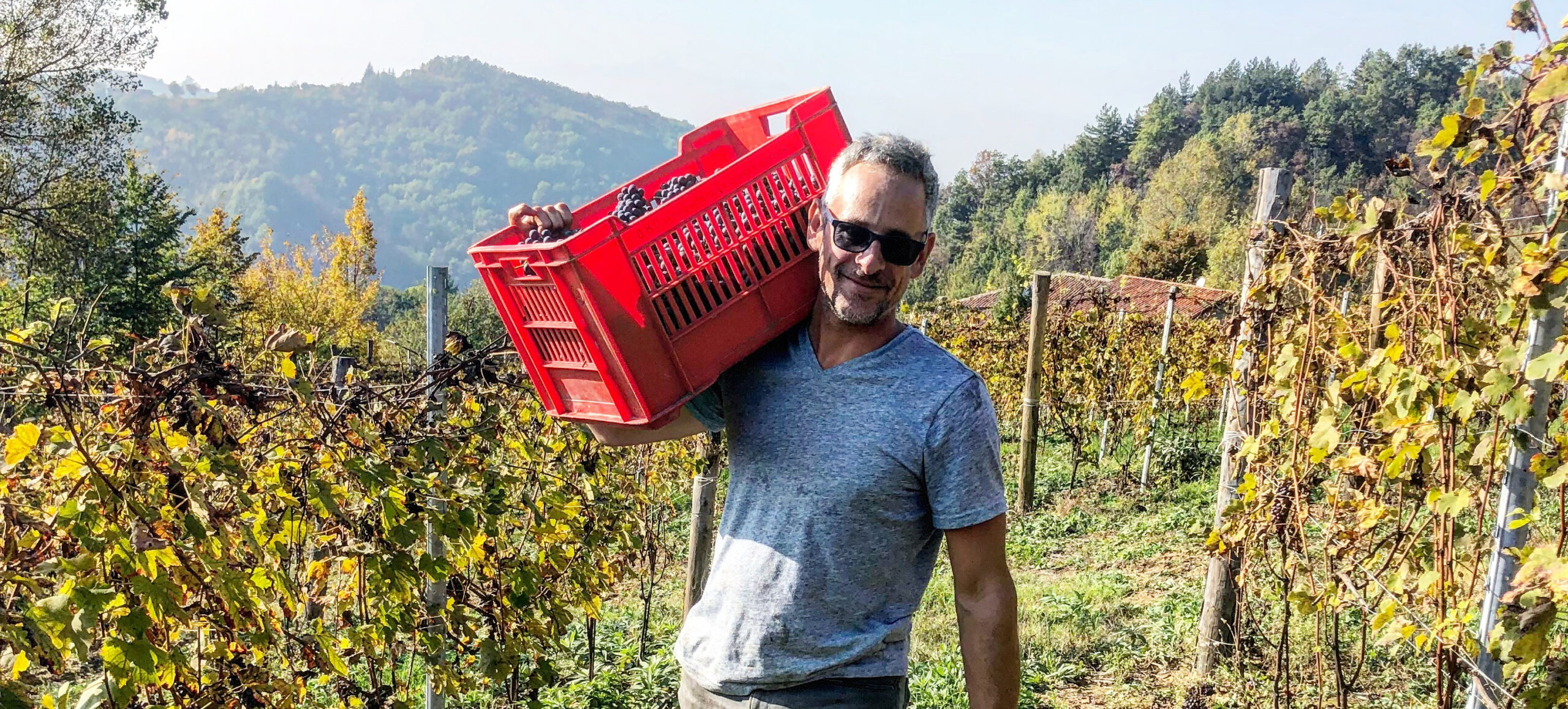
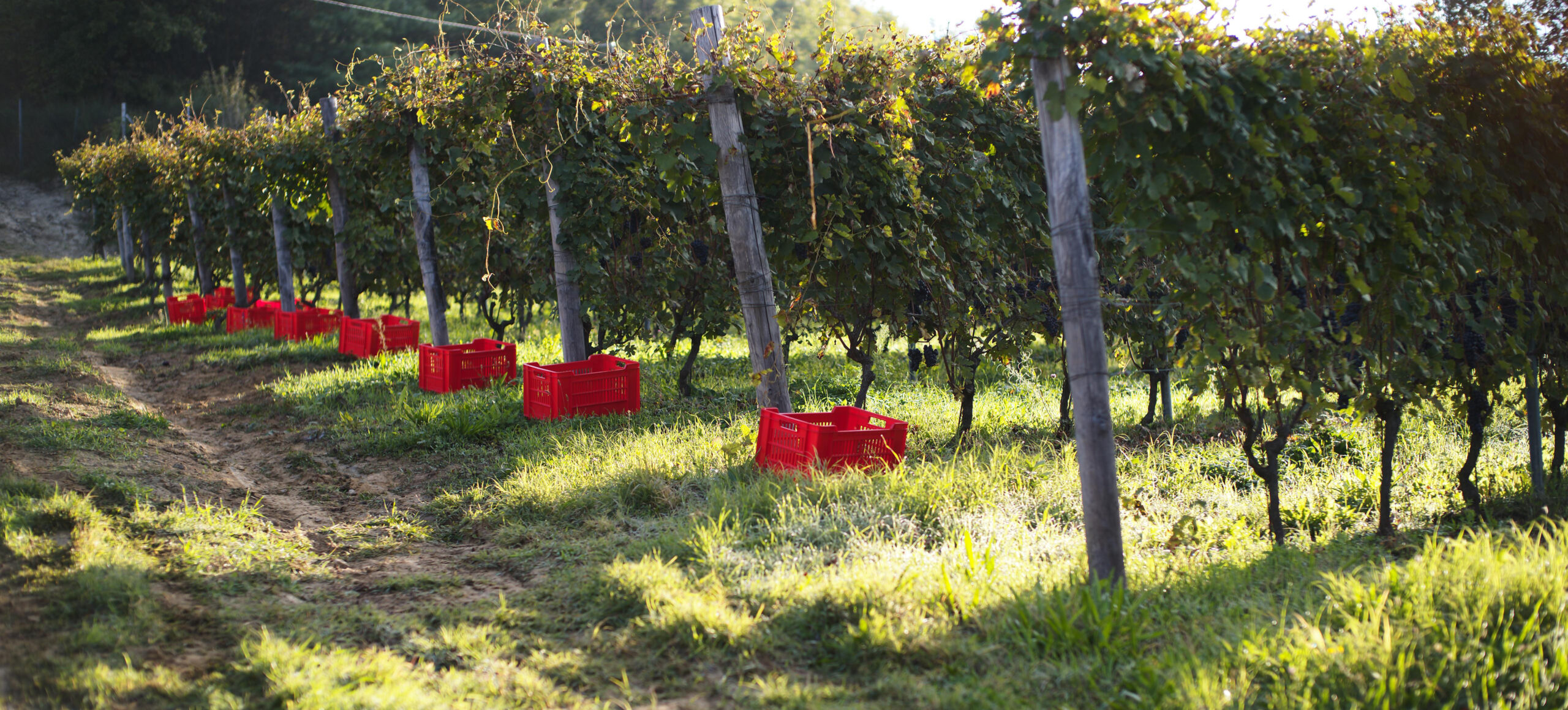
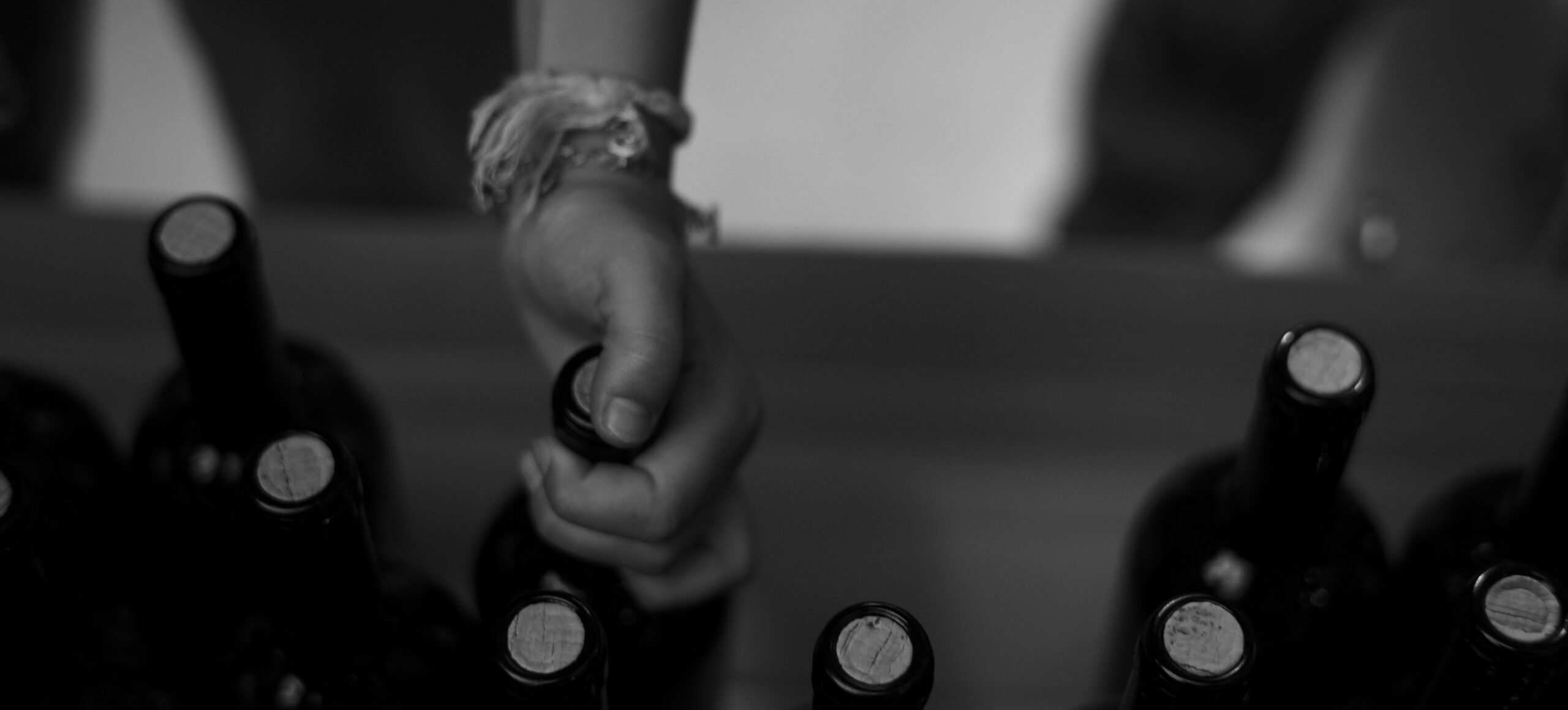
Given the high altitude and cooler temperatures of his property, McLachlan’s grapes are harvested during the last ten days of October, often a 10 days to two weeks after the harvest has been completed in Barolo. Once picked, the grapes are strictly sorted, then brought to the Roagna winery in Castiglione Faletto, where they are de-stemmed and fermented with indigenous yeasts in wooded vats with a maceration time of 30 – 50 days depending on the vintage using both pump-overs and submerged cap “Capello Sommerso.” Following the traditional Roagna winemaking protocols, the wine is aged in a small botti for 24 months before bottling, then held for one to two years at a minimum before being released. As with Roagna’s own Langhe Rosso, McLachlan’s wine is bottled as a “Vino Rosso” to allow for total freedom from the strict rules governing where the grapes come from and how the wine is made.
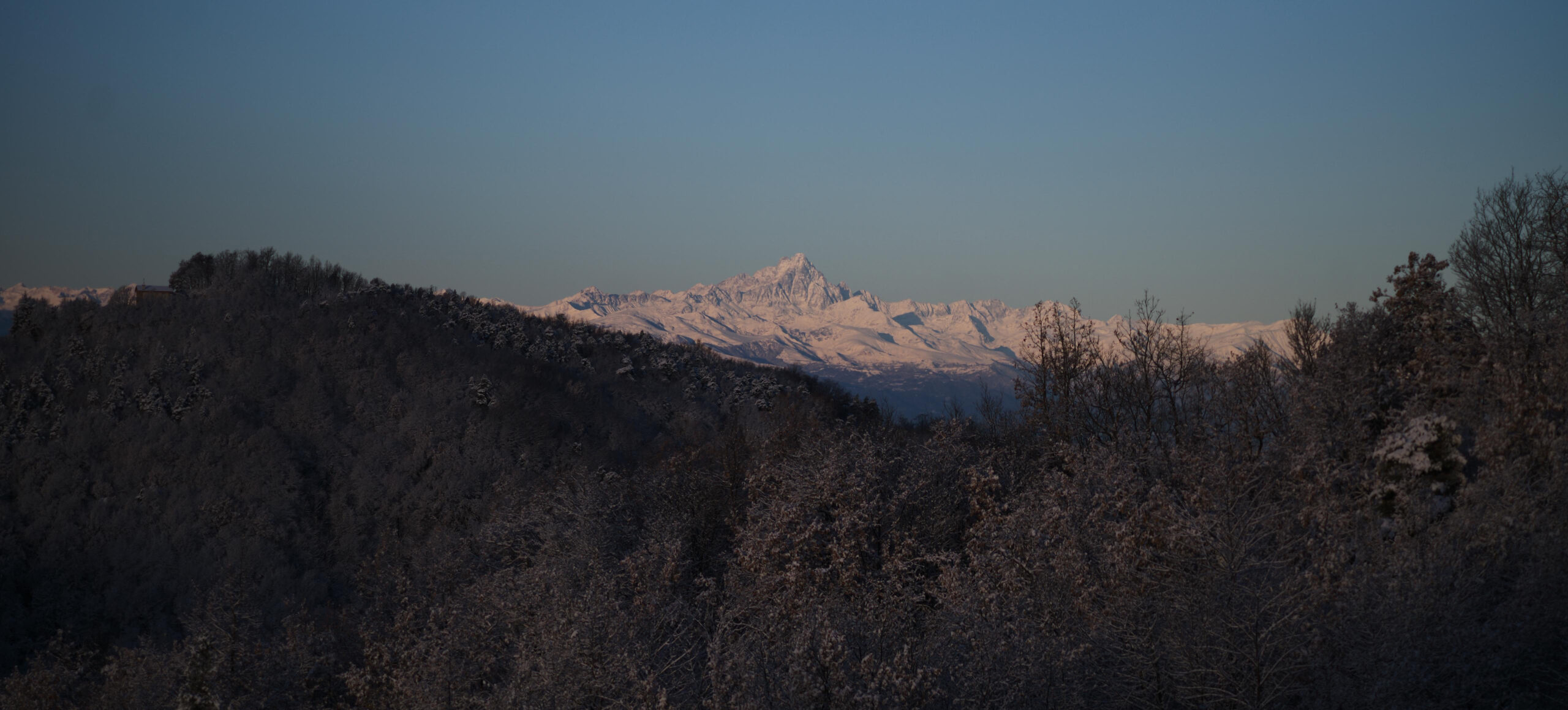
The winery gets its name from the historical name of the property, Località San Lorenzo (with “Alto” meaning high up). The wine itself is called“Bellaluce” - or beautiful light - a term with double meaning, referring to both the special light of this magically situated, high-altitude site and the beautiful light that photographers seek out in their work.
While most Nebbiolo grown at altitude tends to be easy-going, fruit-forward and a bit lighter in style and structure, San Lorenzo Alto combines the soaring, floral, earthy/red-fruited aromatics of the site with a bit more heft and depth. This stems from the hands of its creators, who both feel that something more complex and serious can hearken from these high-altitude vineyards. Alas, there are few references for wines of this type grown in this subzone. Yet, with the birth of McLachlan’s Vino Rosso, it's possible to envision a bright future in which top winemakers who meet the growing challenges of climate change usher forth new horizons in quality in one of the world's most famous wine regions.