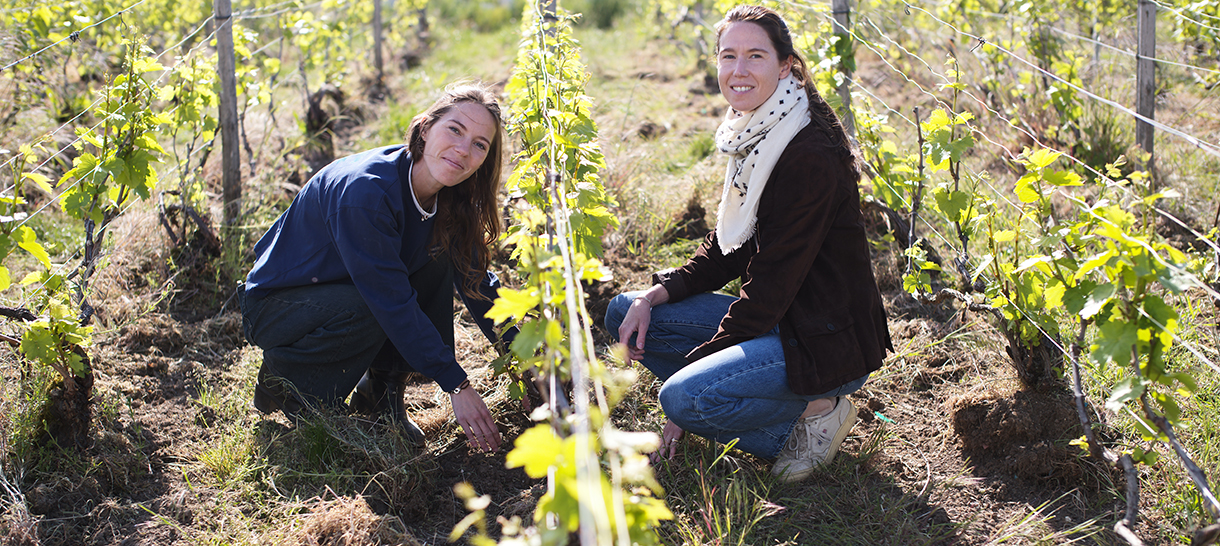
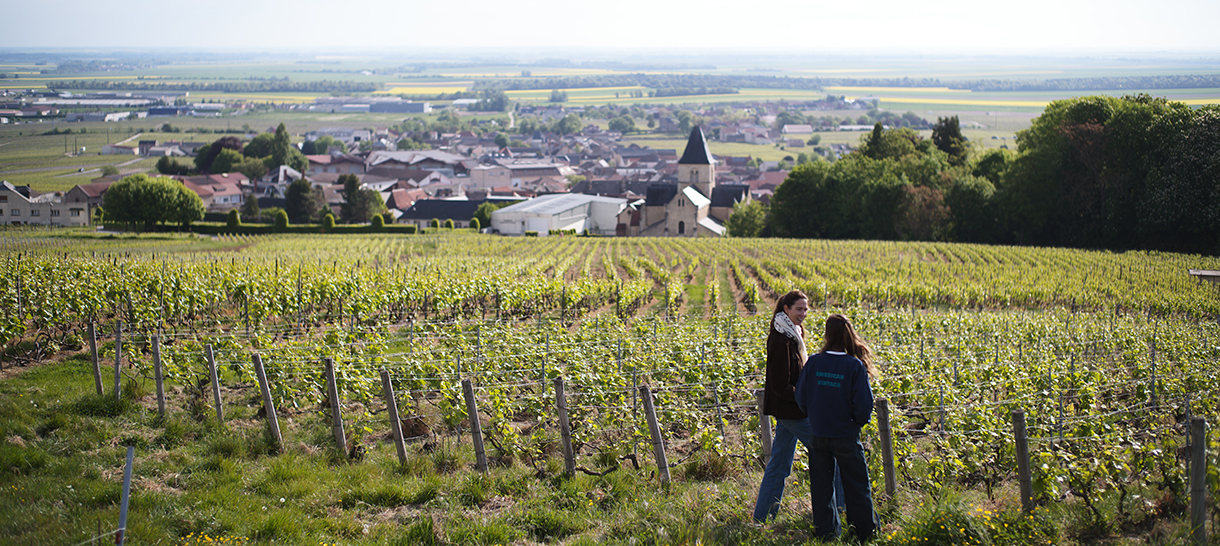
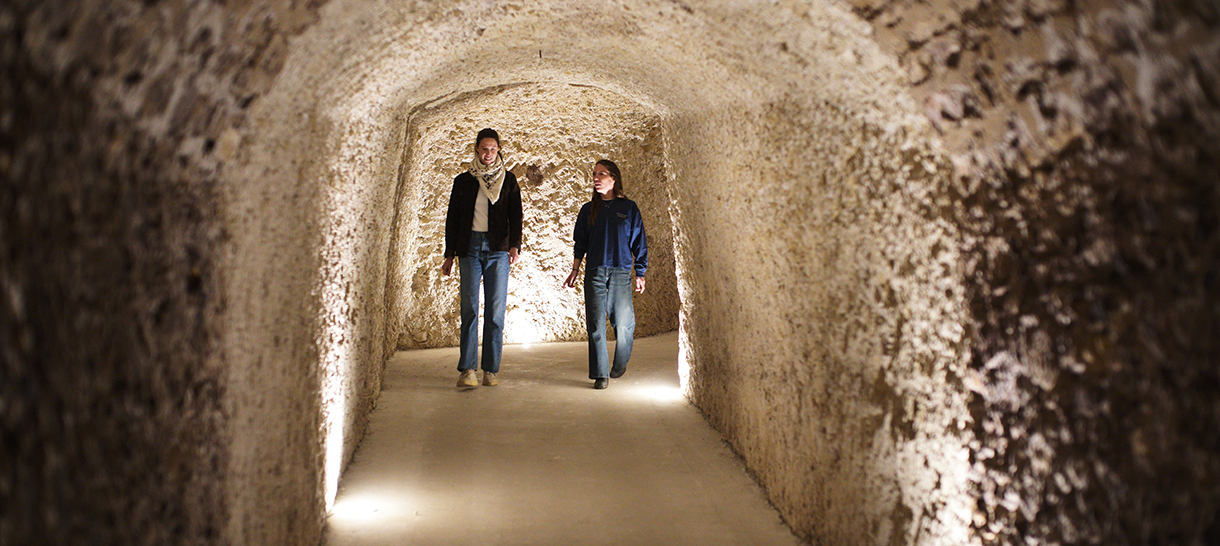
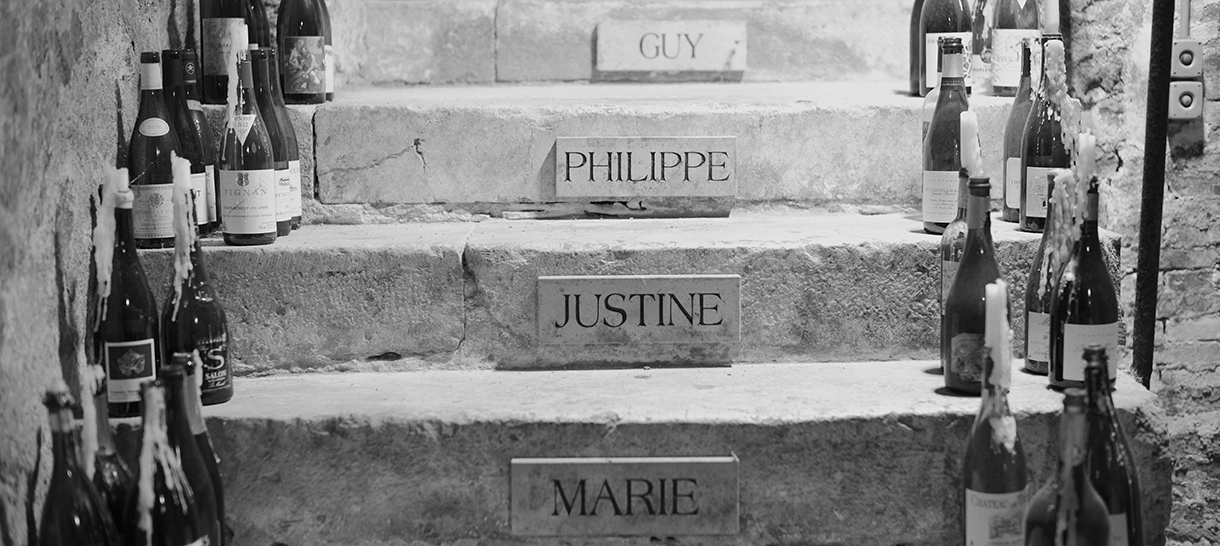
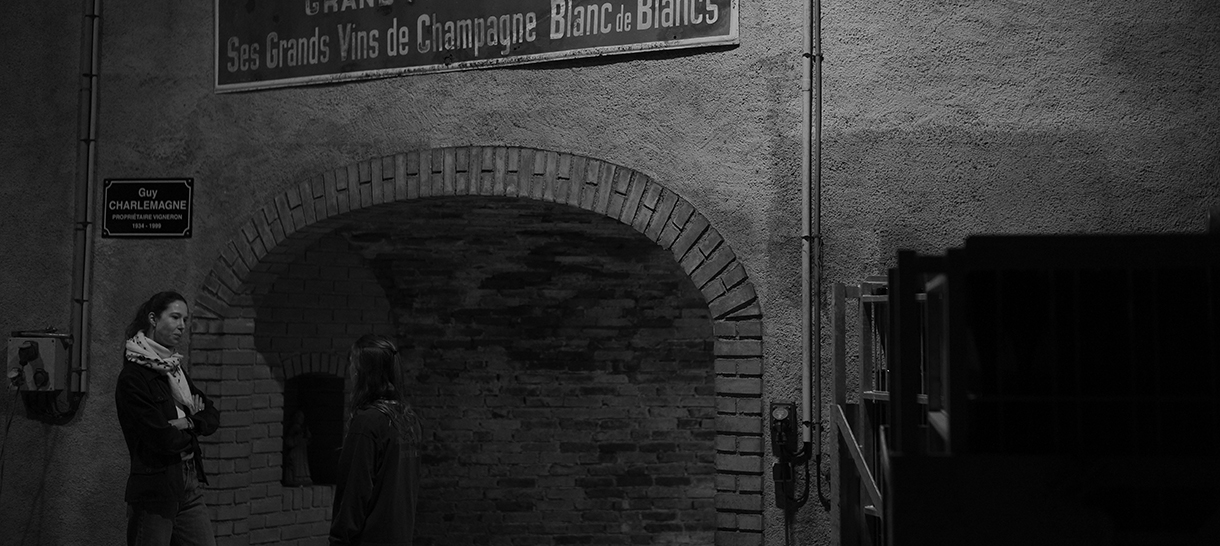
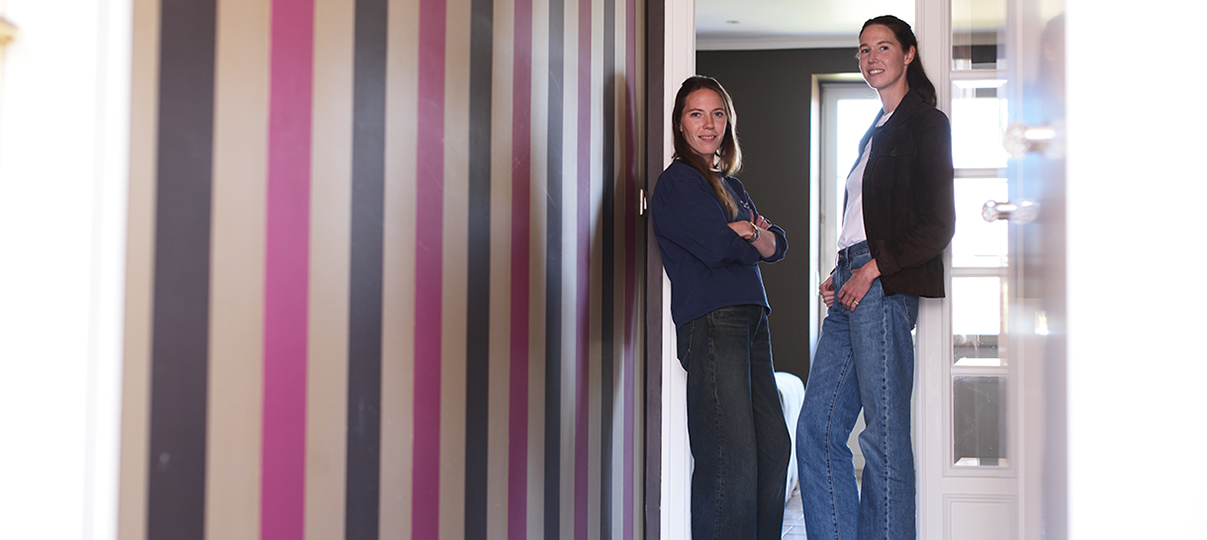
A generation change is often an exciting time for a Domaine. With fresh eyes, lots of energy, and often a valuable perspective from work at other top estates around the world, it is a great opportunity for a producer to hone its profile and hopefully to build on the past and raise the bar for the future. The dynamic duo of Justine and Marie Charlemagne arrived at their family estate, Champagne Guy Charlemagne, in 2023 taking over for their father, Philippe, who ran the winery since 1988. Justine and Marie are the fifth generation to run this venerable property located in Le Mesnil-Sur-Oger which was founded in 1892.
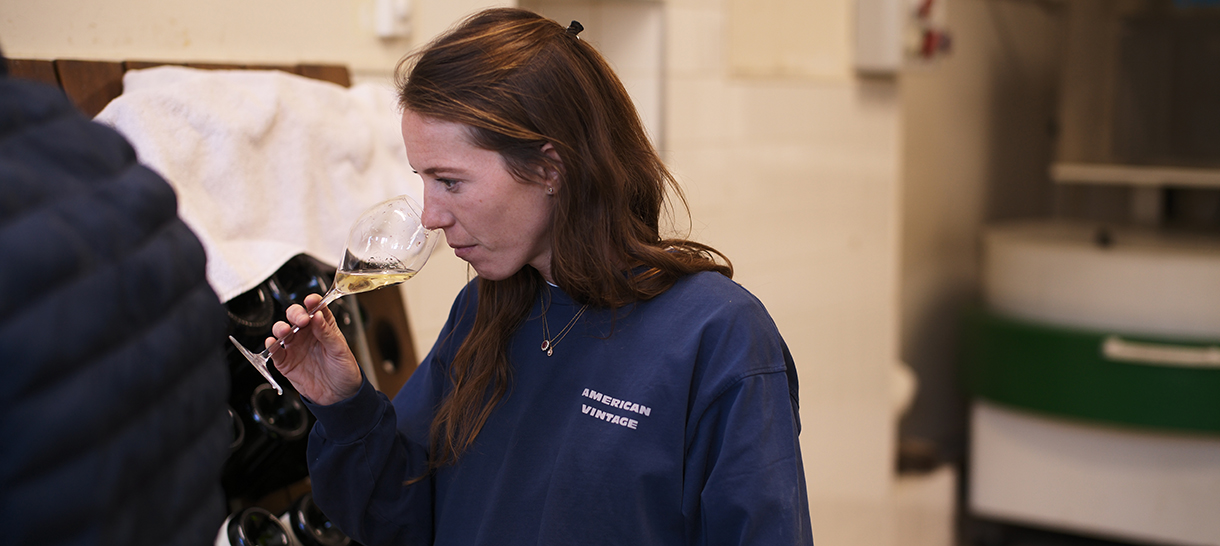
Prior to their arrival, the Charlemagne sisters spent their 20’s gaining a valuable foundation in pursuit of their ultimate goal of taking over the family winery. Marie, the slightly younger of the two, spent these years working on the winemaking and viticulture side most notably at Domaine Dujac in Burgundy but also did stints at Billecart-Salmon and Veuve Cliquot and also did a stage at the Italy-based Simonit and Sirch, considered the world’s master consultants for pruning and vine management. Her older sister, Justine, developed more of a commercial and marketing background. She worked in marketing for a niche, artisanal spirits company in Paris before taking a job for the Tete de Cuvée winery, Rare. Together their experiences were both formative and complementary. Today they work hand-in-hand managing all aspects of the winery and oversee the experienced vineyard and cellar crew that they inherited from their father who also still chimes in, when necessary, with guidance and wisdom from his many years running the family domaine.
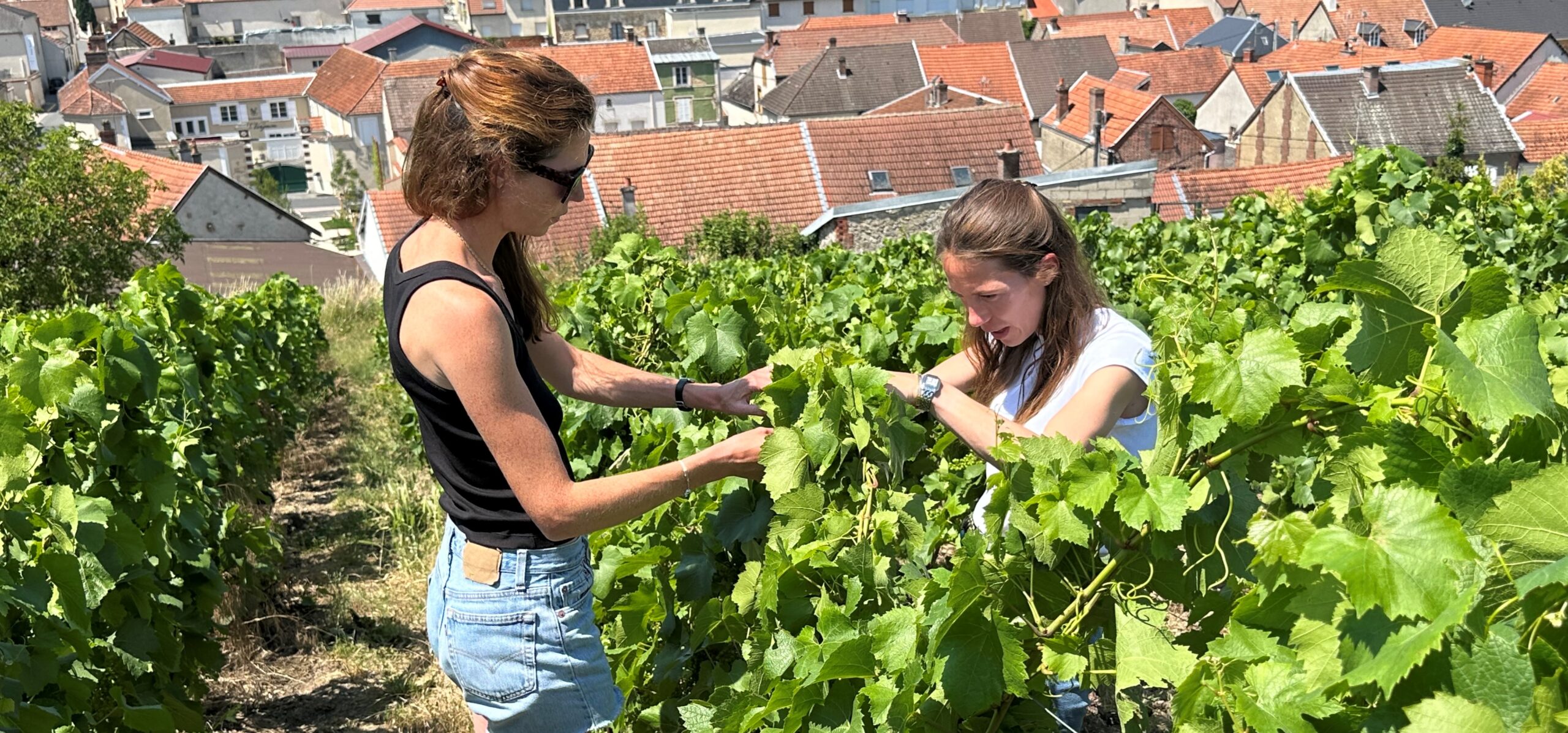
The 12 HA of vineyards at Guy Charlemagne are concentrated in and around the Grand Cru Village of Le Mesnil-Sur-Oger which is considered to be some of the greatest terroirs for Chardonnay in all of Champagne. Their holdings, all planted in Selection Massale, also include some of Le Mesnil’s most hallowed parcels including Coullemets, Mussettes, Mont-Joly and Chétillons. The vines are quite old, averaging around 60 years and are farmed naturally though without certification. According to the sisters, their father Philippe was an avid home gardener and hated the idea of adding chemicals to anything that he or others would consume. So, this philosophy is also embraced fully by the new generation.
The sisters are particularly committed to taking the farming at the winery to the next level motivated in particular by Marie's time with Simonit and Sirch. Her experience there instilled the profound conviction that you can have the greatest terroir but if the vines are not in a healthy and balanced state you will fall short of expressing the full potential of the site. Together, their work and reflection has resulted in a daily practice and dedication to optimizing plant architecture, encouraging healthy sap flow, and overall, creating vitality and resilience to the vines.
In the cellar, vinification at Guy Charlemagne is done primarily in stainless steel tanks to protect the minerality and verticality of the Mesnil terroir. Oak is kept to a bare minimum and used only for texture and a bit of oxygenation rather than any oak flavors. That said, the sisters have started experimenting with vinifying certain parcels that they feel might work well with oak aging for possible new cuvées of the future.
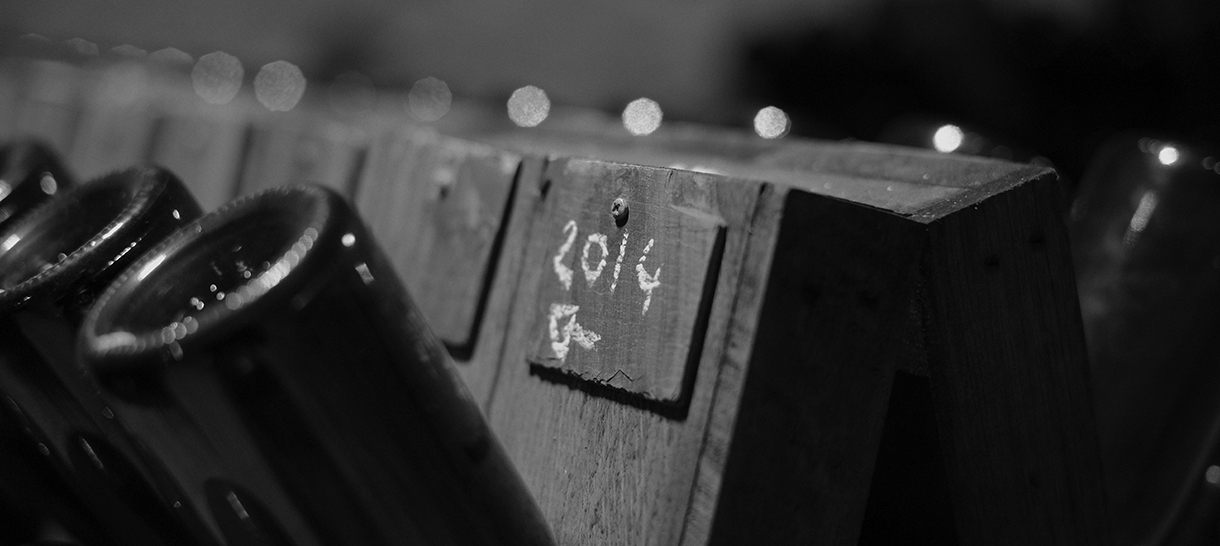
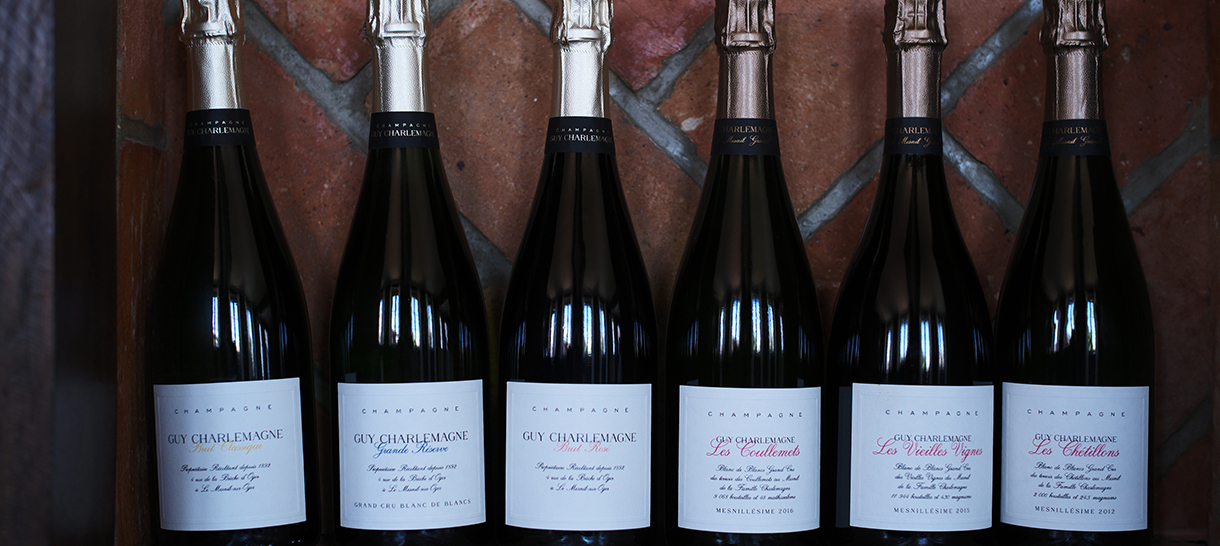
The Guy Charlemagne range begins with an excellent and classically rendered NV Cuvée called Grande Réserve made from a blend of 12 different parcels in Le Mesnil. The wine includes 40% of reserve wine and sees extended time sur-latte, usually 5 years before disgorgement to give it complexity and a lovely texture. It is finished as Extra Brut. Next are a range of Parcellaire cuvées that all see extended aging before release. The Coullemets is fermented in tank and sees about 8-9 years of aging sur latte before disgorgement. The Vieilles Vignes cuvée is made from three old parcels (Les Hautes Jardins, Les Longues Roies Sud, and Les Moissonières) and is raised in a combination of oak and stainless steel and then aged for a minimum of 9 years before disgorgement. Finally, the crown jewel of the lineup is Les Chétillons considered by many to be one of the great vineyards of Le Mesnil. The wine is fermented in tank and then aged on the cork for a minimum of 12 years before disgorgement (even longer for magnums).
Stylistically, the wines are fine, tensile, and mineral-driven from top to bottom with a lovely base of crystalline fruit derived from their roots of noble Chardonnay grown in the chalky soils of Le Mesnil. The extended aging regime, in turn, adds an element of refinement, breadth and complexity and provides a lovely counterpoint to the inherent verticality of the Mesnil terroir. The secondary fermentations chez Charlemagne, especially on the Parcellaire range, are also executed with slightly lower pressure to create a fine mousse and an elegant, textured palate with an inherent creaminess. Dosage levels are also kept to moderate levels to accentuate the purity and focus of the underlying base wines.
All in all, what is most exciting for wines of this domaine, particularly at this transitional juncture in its history, is that it exists at the crossroads of the classic and the modern, borrowing the best of both worlds. We are excited to share these gems with our most ardent fans of great Champagne.