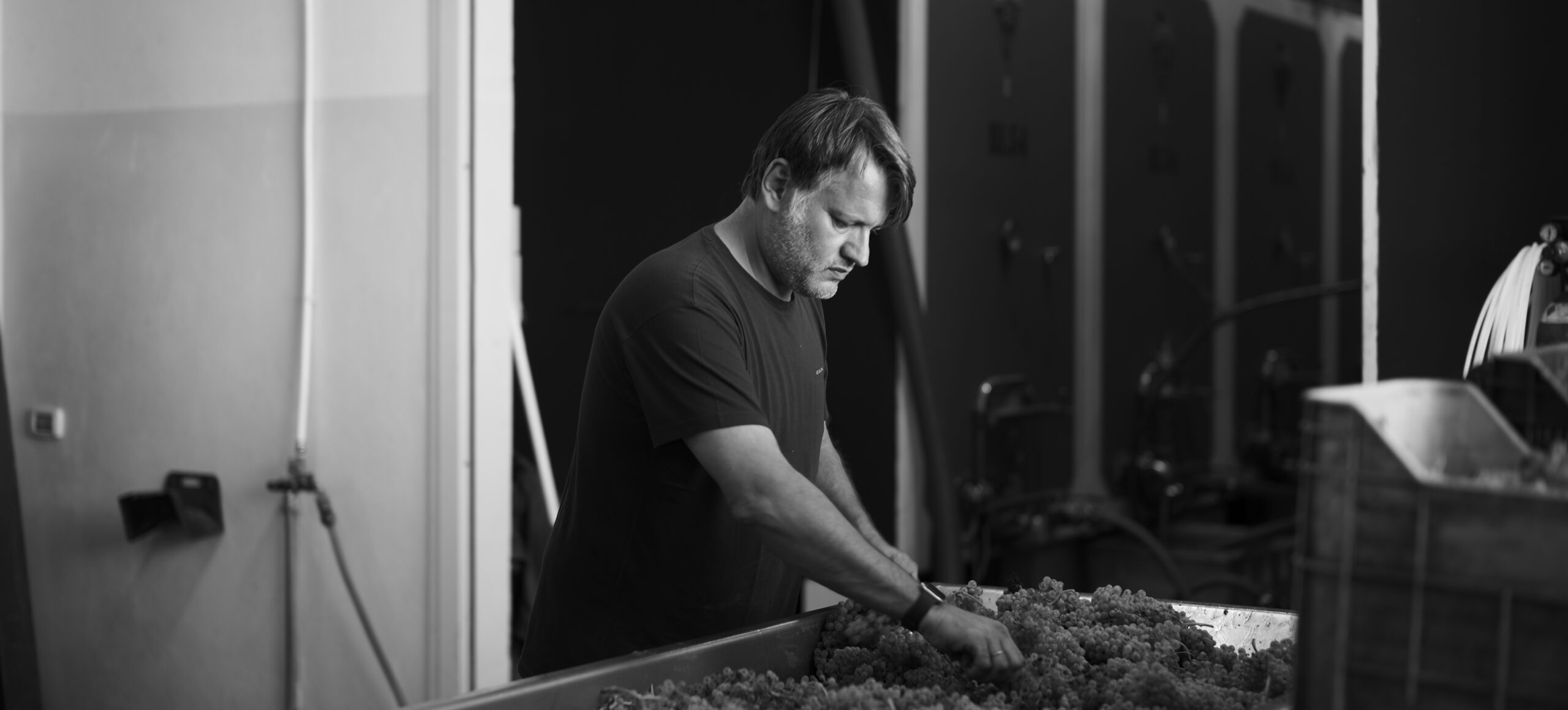
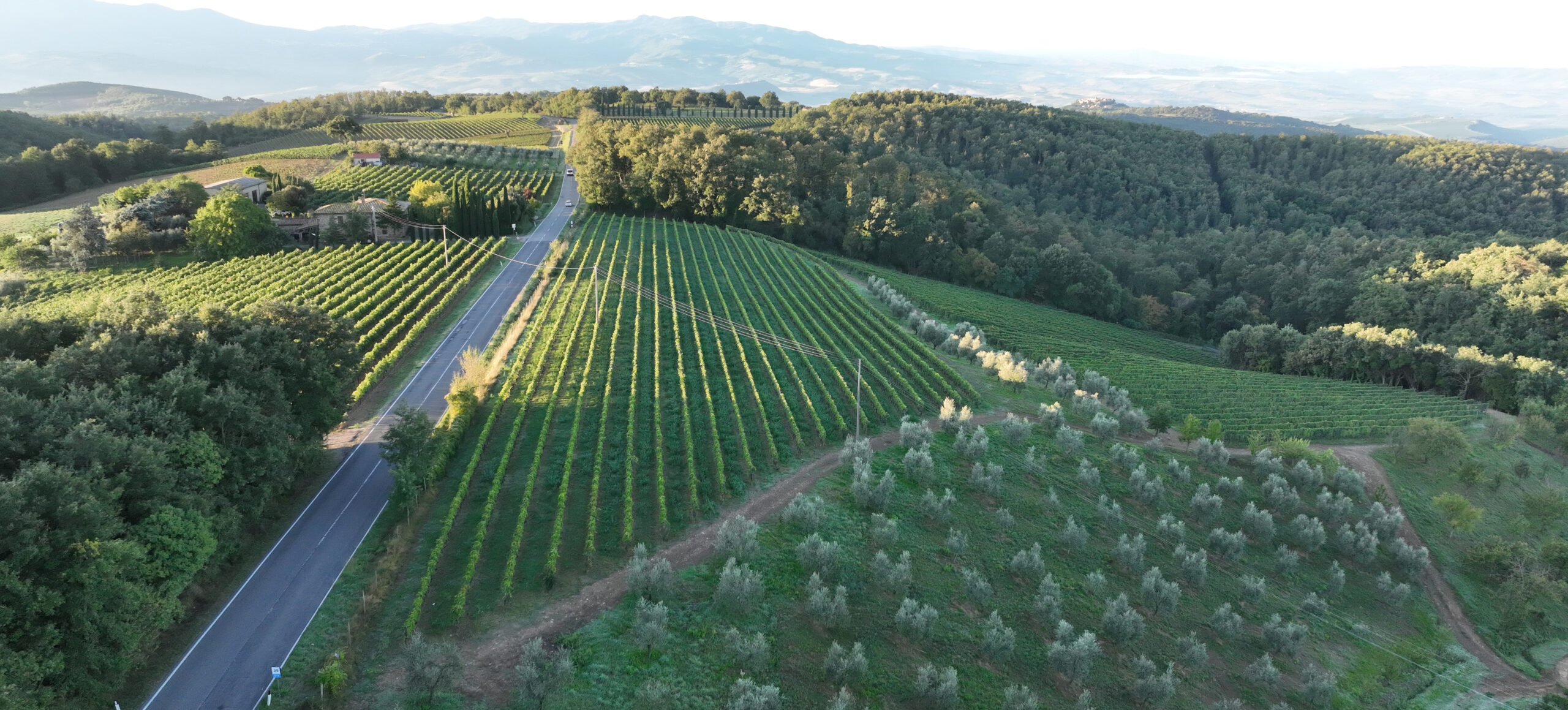
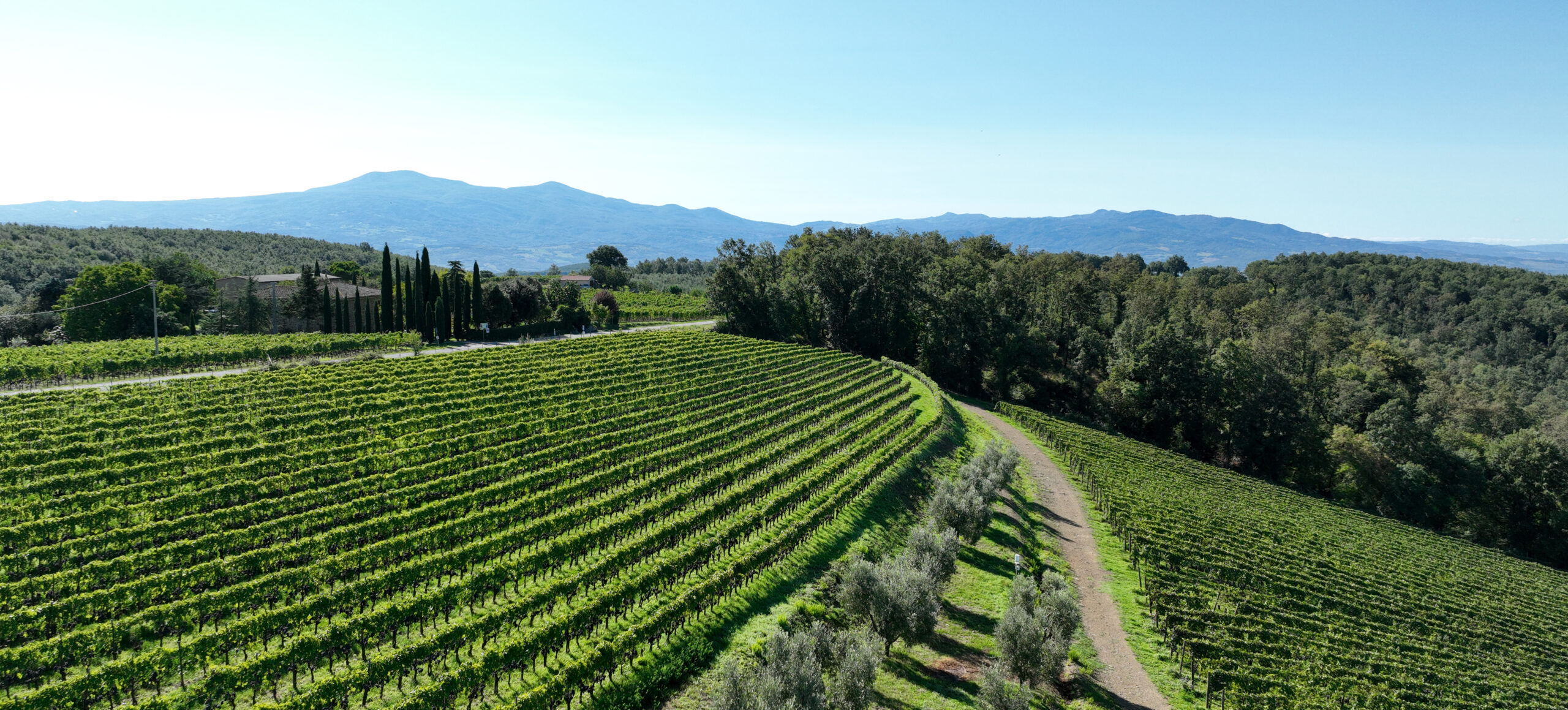
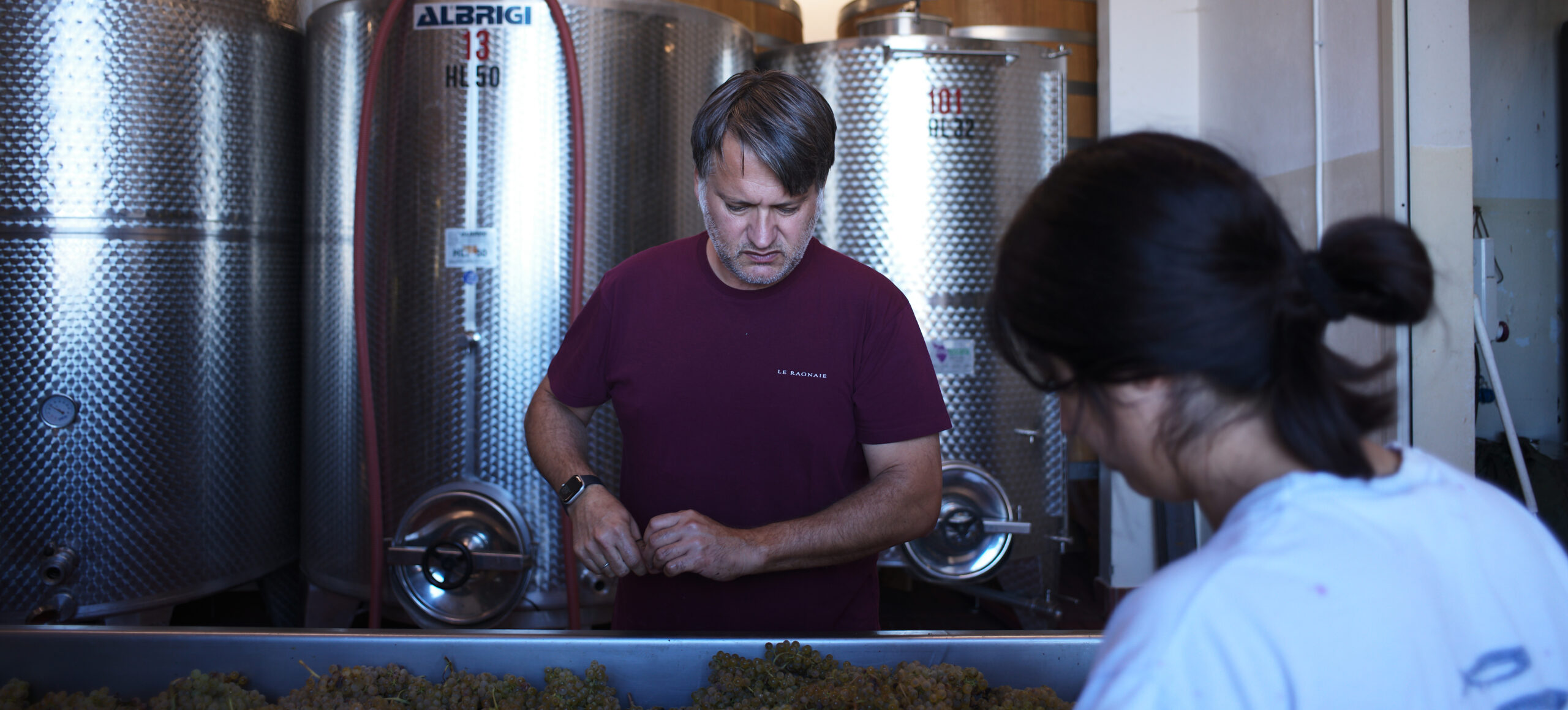
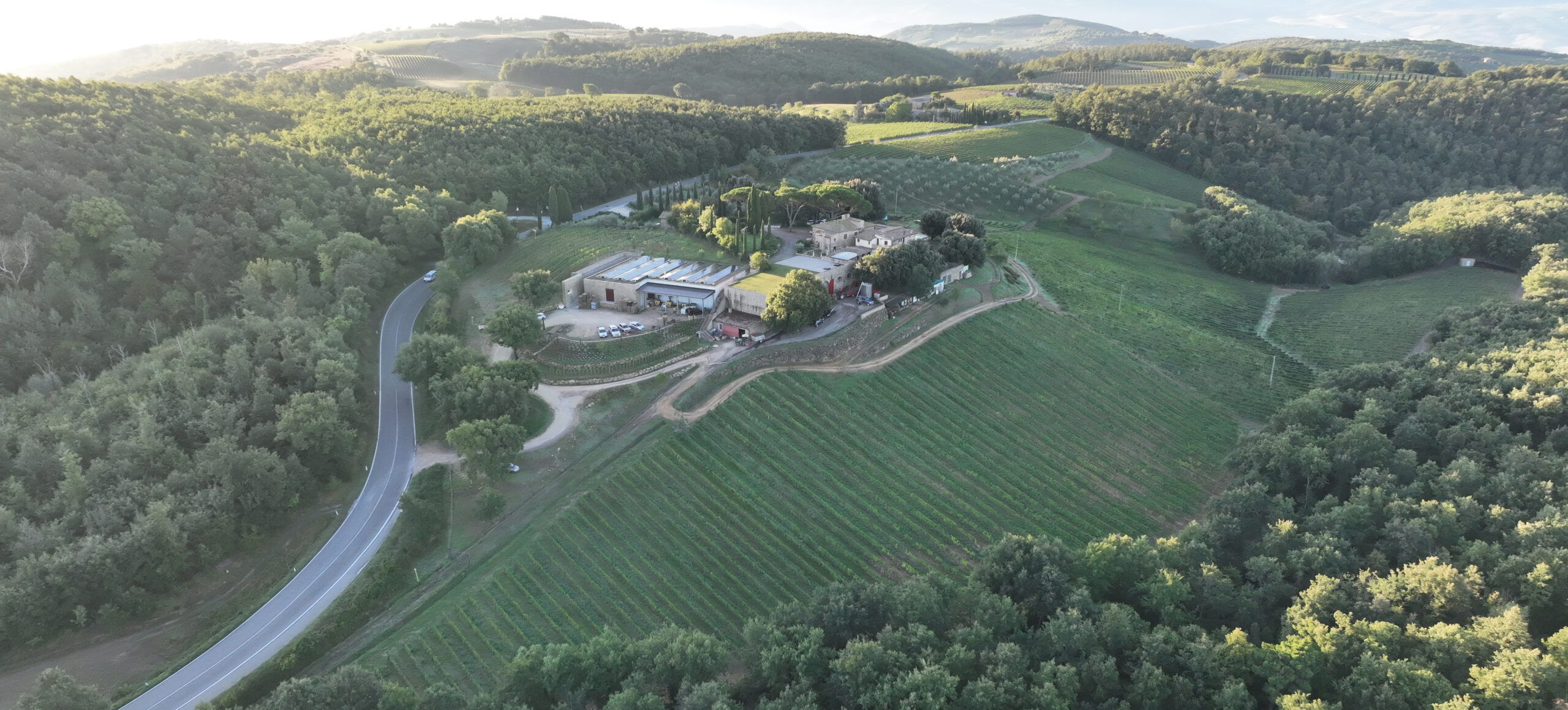
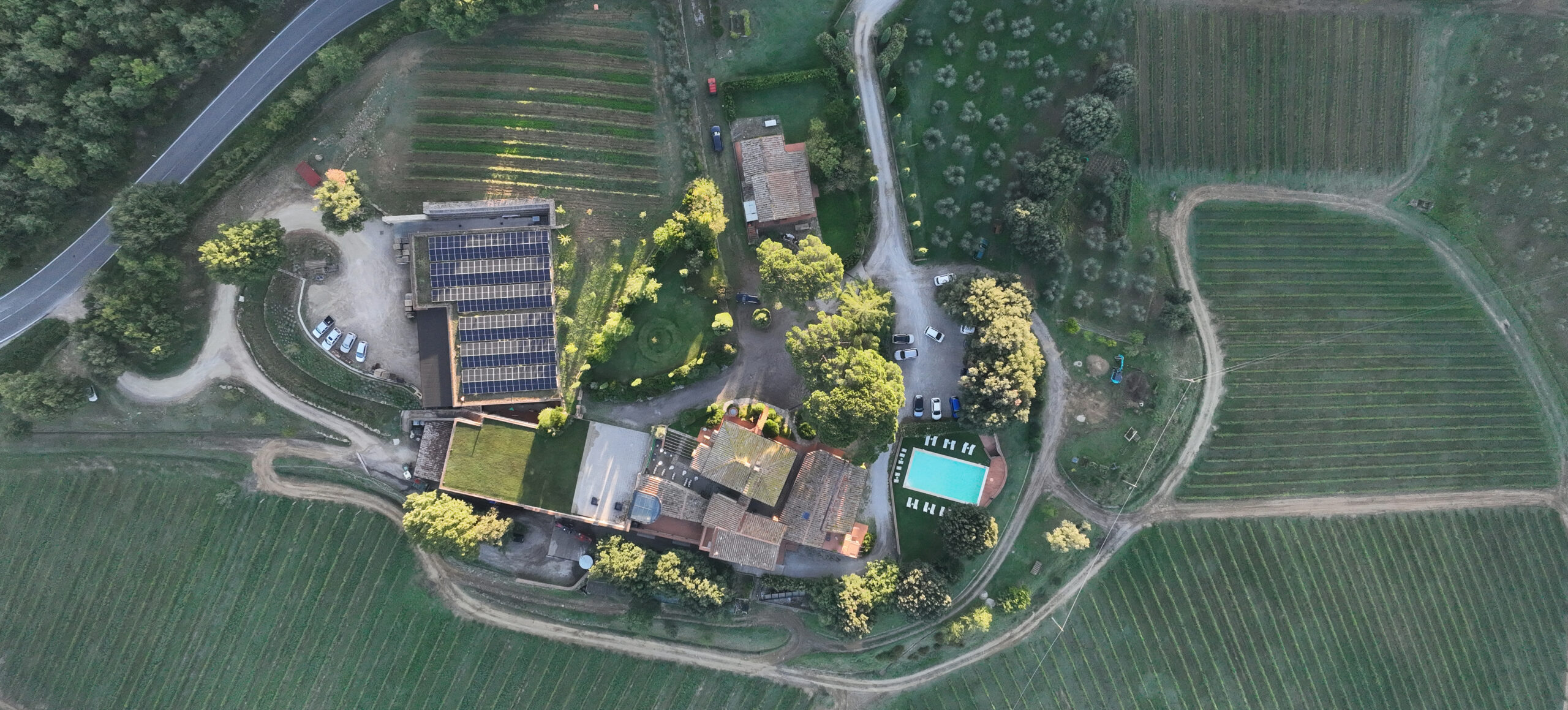
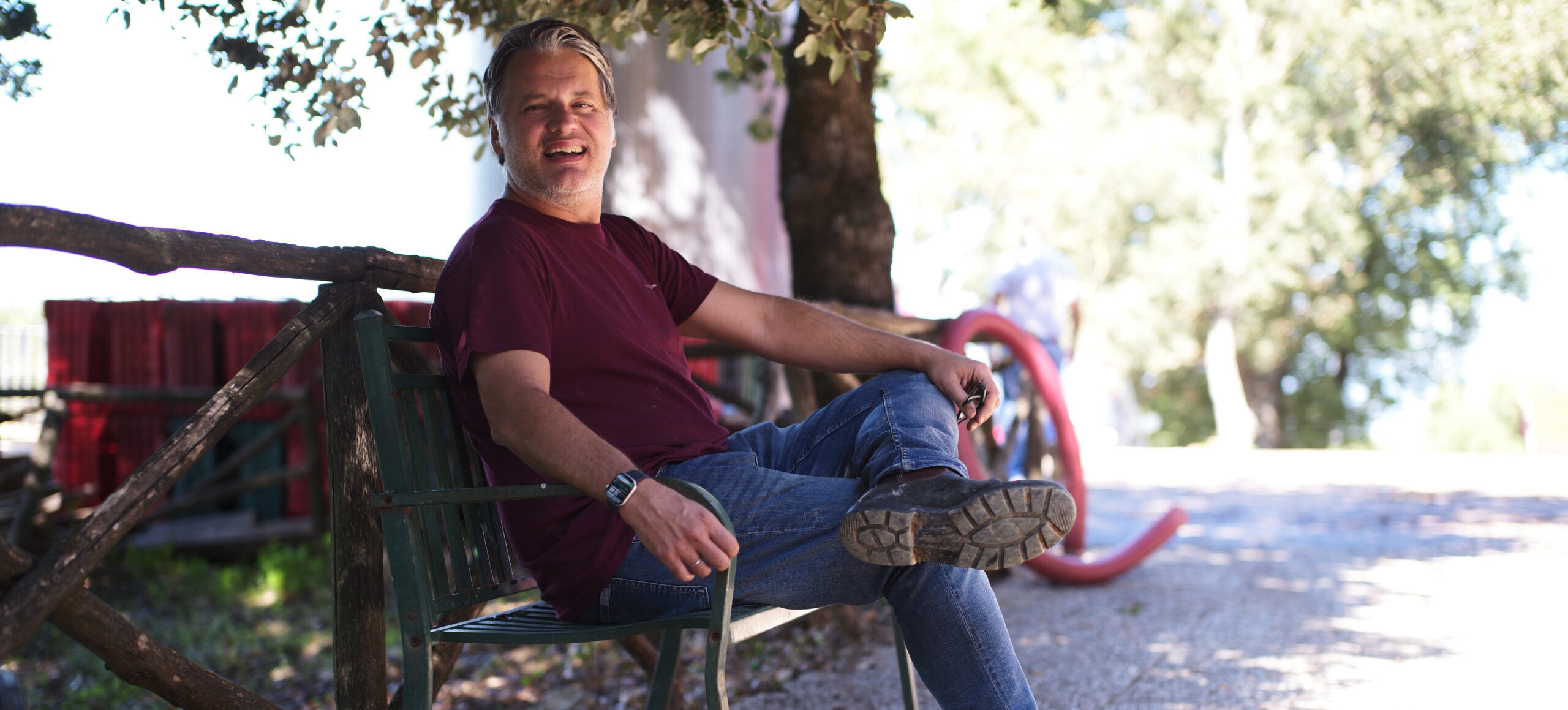
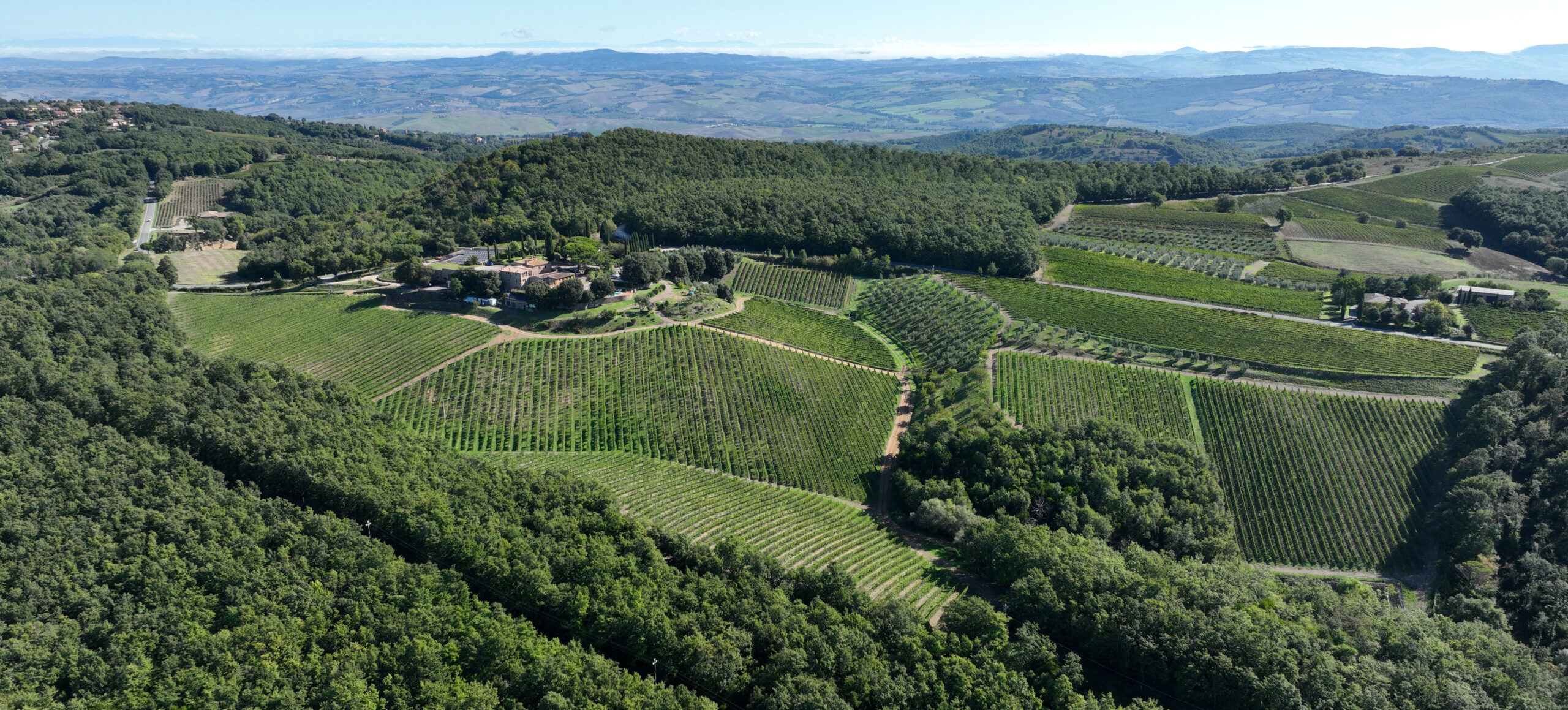
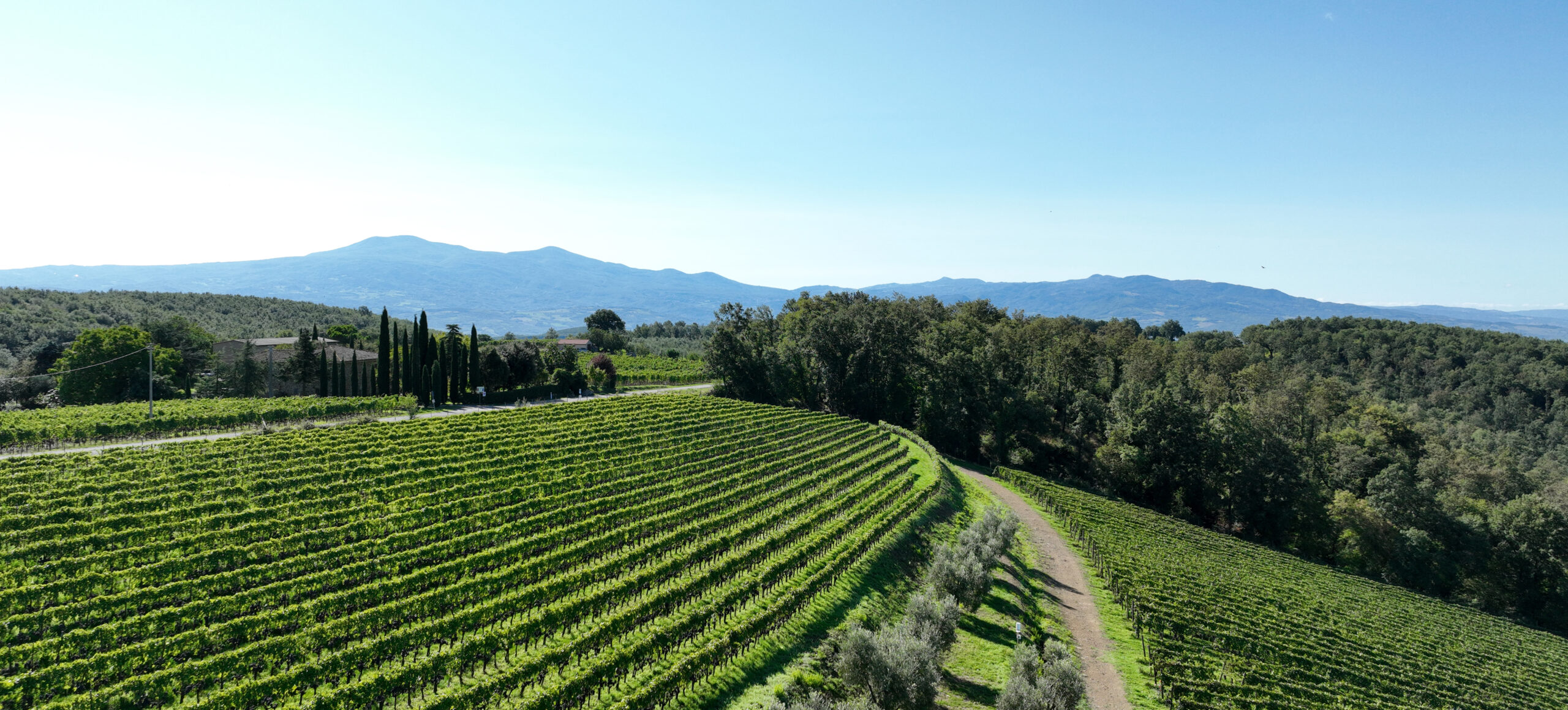
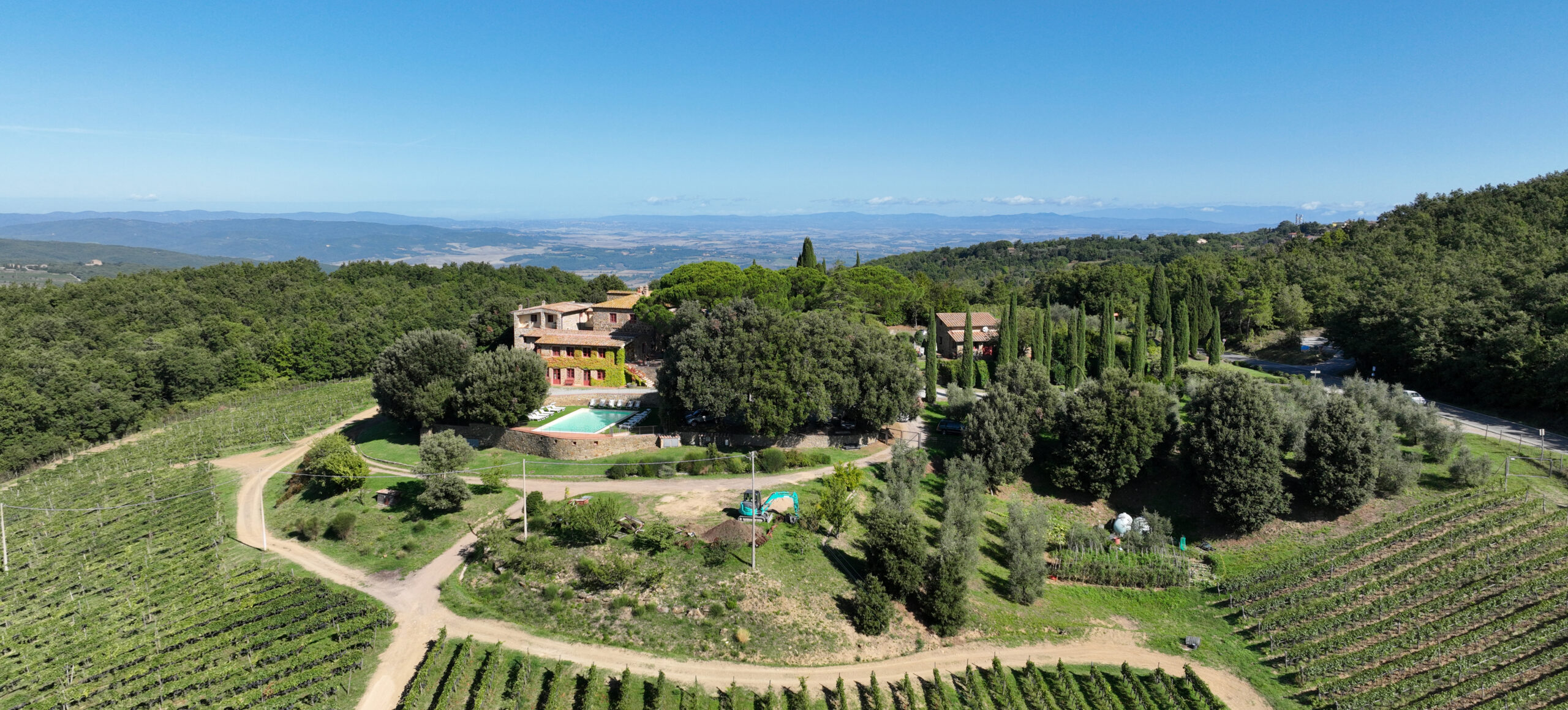
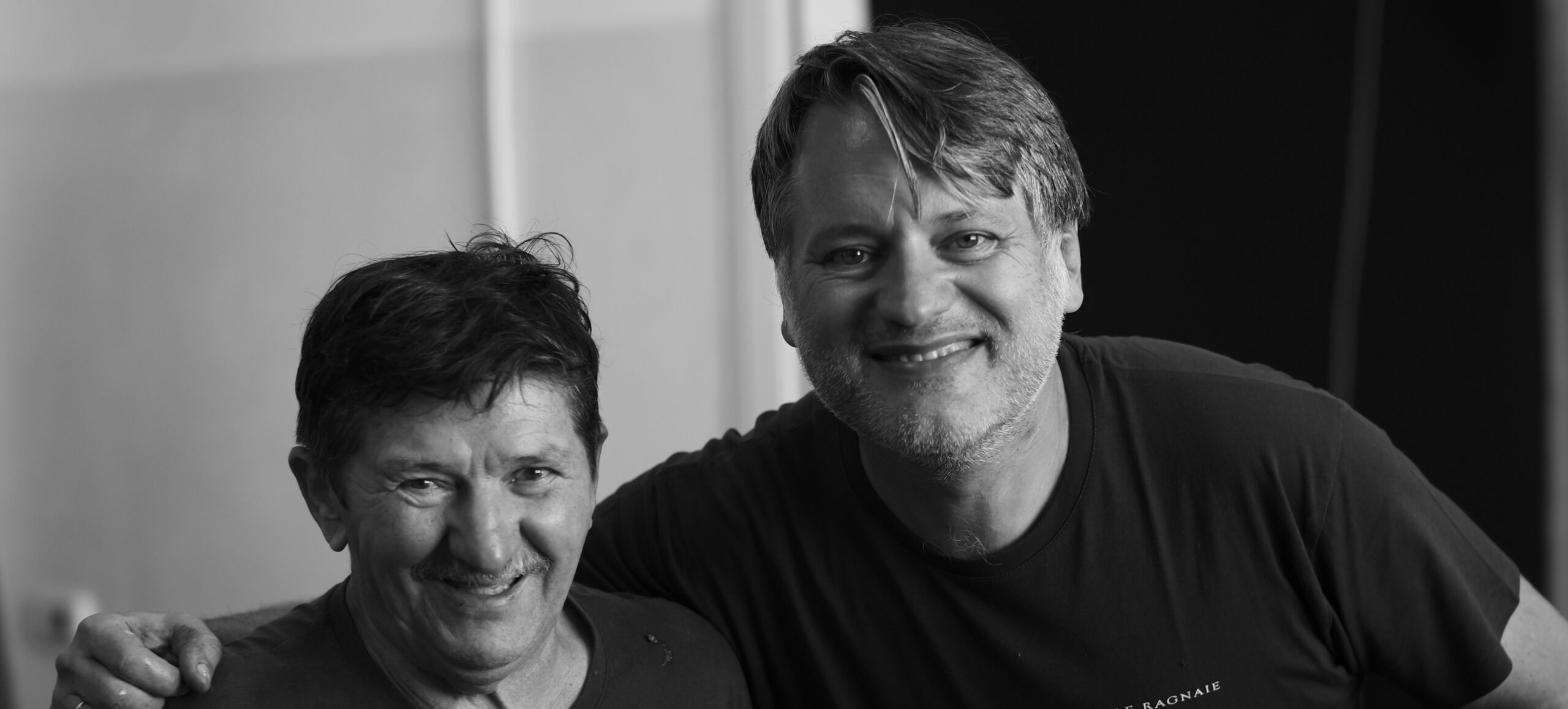
Le Ragnaie is a dynamic Montalcino estate which has steadily risen to prominence since its current owner, Riccardo Campinoti purchased the estate in 2002. The estate’s name, Le Ragnaie, derives from the word for “bird-catching nets” which were historically used in Italy for catching small birds which were considered a culinary delicacy in the past. The winery is situated at the high elevation Passo del Lume Spento “Pass of the Extinguished Lantern.” This pass is the highest point in the Montalcino appellation; it got that name because, historically, the lanterns people used when travelling through the area would be extinguished due to the strong winds at the high elevation. This area has gained attention in recent years as wineries seek out higher, cooler areas within the Montalcino appellation to combat climate change.
The estate was originally founded in 1991 and for years produced reputable wines, but it was Riccardo Campinoti who took steps that would bring the winery into the spotlight. Originally, most of the estate’s vineyards were around the winery, including his old vine parcel, planted in 1968, from which he makes his Vigna Vecchia bottling of Brunello. After acquiring the winery, Riccardo and his American wife, Jennifer, wanted to expand their production and holdings and decided to seek out parcels in some of their favorite terroirs around the appellation. Over the years, they purchased parcels of Fornace in Castelnuovo dell’Abate in the southeast, in the famed Monotosoli in the north, and in the cru that is also among the highest in the appellation, Petroso, which is just below the walls of the town center of Montalcino.
Le Ragnaie has 23 hectares of mostly high-elevation vineyards as well as 5 hectares of land planted to olive trees for olive oil production. In their parcels, chemicals are not used, save for copper and sulfur, within the limits and guidelines of natural viticulture. Although the vineyards are farmed naturally, they have never chosen to attain an organic certification given the onerous requirements that this process entails. In addition, no fertilizer is used; instead, Riccardo and his team use manure and cover crops to give the soil nutrients. The cover crops additionally help with erosion, especially in their steeper vineyards.
Riccardo’s wines are known for their purity, focus and elegance. They display beautiful aromatics, deep, lifted fruit, and a lithe and well-integrated tannic structure. He is quite fortunate to own parcels in some of the region’s most prized vineyards but interestingly, rather than craft all his single-parcel wines as Riservas, he vinifies and ages all his Brunelli in the same manner – much like in Burgundy - allowing the unique characteristics of each parcel to shine through. That said, Riccardo does not produce single-vineyard wines from each site every year. Theoretically, there is the potential for six different cuvées from Le Ragnaie: the entry-level, the VV, as well as Fornace, Passo del Lume Spento, Casanova Montosoli, and Petroso. Depending on the year, he may de-classify some of his single vineyards if he feels they do not meet his high standards for quality and singular expression of site.
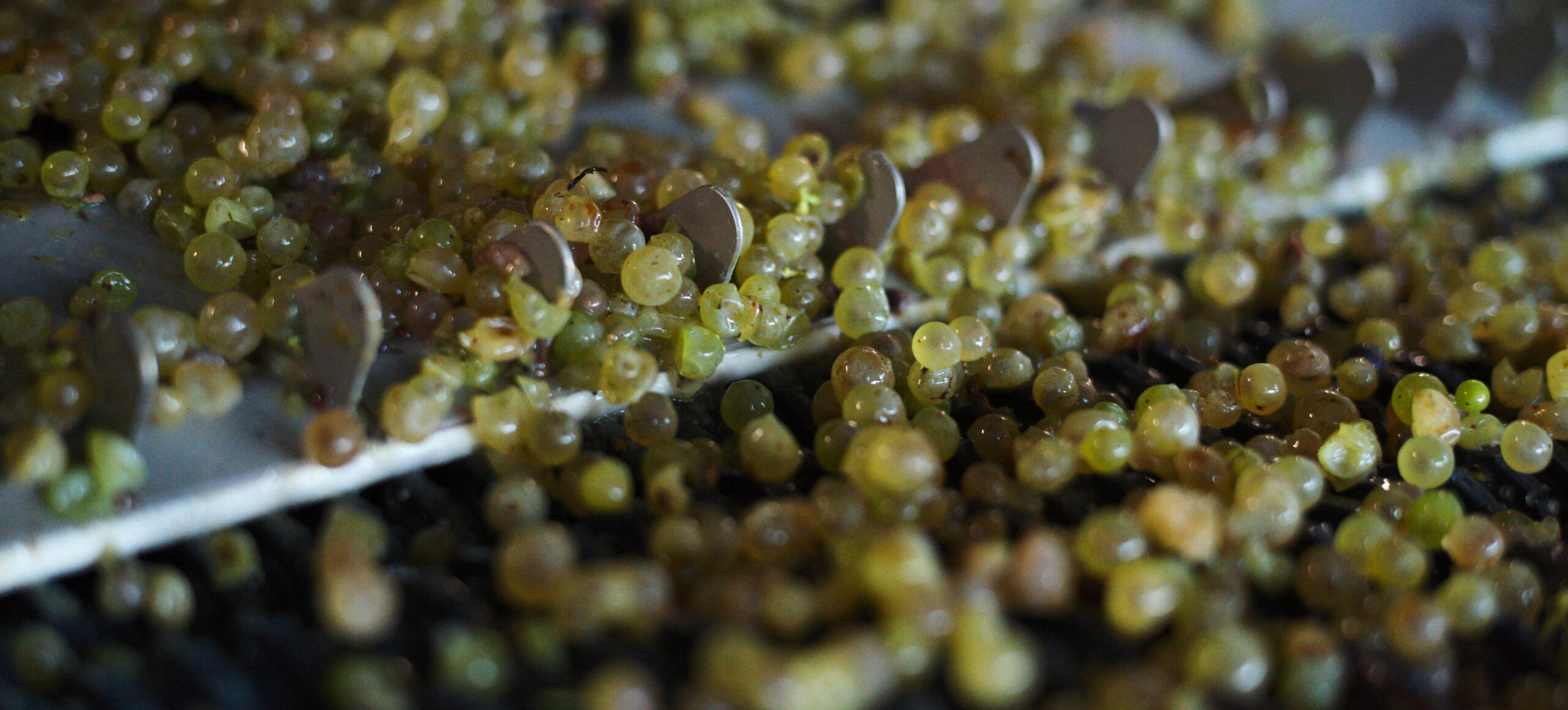
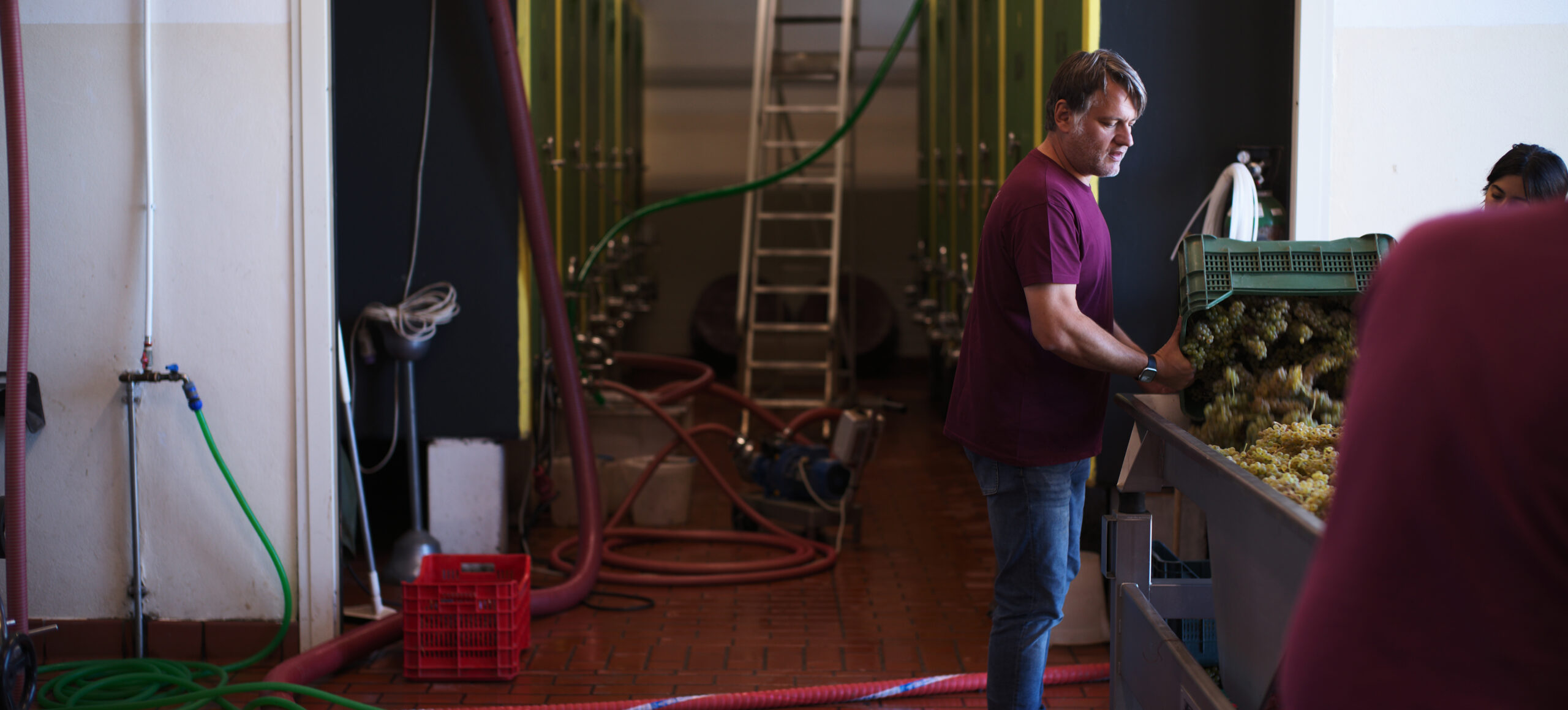
In the cellar, fermentations occur in concrete tanks using a pied de cuve made with indigenous yeasts. Macerations are long but gentle, and depending on the vintage, can last from 25 to 90 days. After pressing, the Brunello are then aged in neutral Slavonian oak botti for about 36 months before bottling. Sulfur is used only minimally in the cellar.
In addition to the Brunello that Riccardo makes, he also produces a Rosso di Montalcino, and occasionally a cru Rosso di Montalcino, as well. Though his vision for Rosso di Montalcino is an elevated one, a true “Baby Brunello” that sees 24 months in large oak before bottling and is meant to age in the short to medium term. Additionally, there is a delicious, quaffable IGT wine called Troncone made from younger vines of Sangiovese and aged just 10 months in large oak. The name comes from the nickname for Riccardo’s grandfather, which means “stump”. Finally, Le Ragnaie also produces small quantities of a white wine made from Malvasia and Trebbiano aged in an acacia cask.
Back in 2013, Antonio Galloni said, “If I had to bet on an estate with the clear potential to enter Montalcino’s top echelon over the next decade, Le Ragnaie would be at or near the top of my list.” Ten years later, Eric Guido wrote for Vinous, “It should come as no surprise that owner/winemaker Riccardo Campinoti produced some of the most successful wines of the 2020 vintage.” All in all, Le Ragnaie is a true gem of an estate in an appellation that is going through an exciting and continual transformation of quality. We are pleased to include them in our roster of great Tuscan estates!